Eight glasses was never based on science.
Your body's fluid needs are shaped by your weight, your activity, your climate, even your diet. This site unpacks what the published research actually says - clearly, without selling you anything.
Where did "eight glasses" come from?
The figure traces back to a 1945 US Food and Nutrition Board recommendation. It suggested roughly 2.5 liters per day. What most people missed was the sentence immediately after - that "most of this quantity is contained in prepared foods."
The eight-glasses rule dropped the food part and the number stuck. For decades. Through textbooks, health campaigns, bottled water marketing. None of it was grounded in controlled clinical trials.
What researchers have found since is more nuanced and, frankly, more useful. Fluid needs vary across individuals by a factor of two or more depending on body mass, metabolic rate, heat exposure, and physical output.
Read the Full BreakdownSix things most people get wrong about hydration
How body size changes everything
A person weighing 60kg and one weighing 100kg living identical lives can have meaningfully different daily fluid requirements. Research published in the European Journal of Nutrition and elsewhere offers weight-adjusted estimates that are far more practical than a fixed number. We walk through how those formulas work and what they mean in day-to-day terms.
Explore this topicWhy coffee counts toward your daily fluids
Caffeine is a mild diuretic at high doses, but at the amounts in a typical cup of coffee the net hydration effect is close to neutral. Studies from the University of Birmingham among others have confirmed this. Your morning flat white is doing more hydration work than you thought.
Read moreElectrolytes: what they actually do
Sodium, potassium, and magnesium aren't just marketing words on sports drinks. They regulate how fluid moves into and out of cells. There are specific situations where plain water genuinely isn't enough, and they don't require elite athletic output to trigger.
Read moreDehydration signals you already have
Urine color, thirst timing, skin turgor, and cognitive dips all give real information about your hydration state. You don't need a smart bottle or a wearable. You need to know what you're already looking at.
Learn the signalsOverhydration: the risk nobody mentions
Hyponatremia - dangerously low blood sodium caused by drinking too much plain water - is a documented medical condition. It's most associated with endurance events but has occurred in other contexts. Knowing it exists matters.
Read moreActivity level adjustments
Sweat rate varies dramatically between individuals and conditions. The same 45-minute run can produce very different fluid losses depending on heat, humidity, and individual physiology. Research-informed ranges help calibrate replacement without overshooting.
See athlete sectionThe diuretic myth, specifically
Coffee's reputation as dehydrating comes from a real phenomenon observed at high caffeine doses in lab conditions. What those studies weren't measuring was habitual consumption at normal amounts.
When researchers gave regular coffee drinkers either water or coffee over several days and measured total hydration markers, the outcomes were effectively identical. Caffeine tolerance, developed quickly by regular drinkers, blunts the diuretic response substantially.
Tea, herbal infusions, and even soft drinks contribute to your fluid intake in ways that make the strict "water only" model outdated. This doesn't mean coffee is the ideal hydration vehicle - it means the picture is more complete than "coffee dehydrates you."
Electrolytes: a plain language explanation
These minerals move electrical charges through your body fluids. They govern nerve signals, muscle contractions, and the movement of water across cell membranes.
Sodium
The primary electrolyte in fluid surrounding cells. Controls total fluid volume and blood pressure. Lost significantly in sweat. When sodium drops too low, cells can swell - including brain cells.
Potassium
The dominant electrolyte inside cells. Critical for heart muscle function and nerve signaling. Found in a wide range of foods. Depletion is more gradual and often dietary rather than sweat-driven.
Magnesium
Involved in hundreds of enzymatic reactions. Influences how muscles relax after contraction. Low magnesium is common in people with high-stress lives, restricted diets, or heavy alcohol use.
Chloride
Works alongside sodium to maintain fluid balance. Lost in sweat alongside sodium. Rarely deficient on its own but part of the complete picture when thinking about exercise replacement.
When does plain water fall short?
For most people in most situations, plain water and a normal diet handle electrolyte balance without intervention. The picture shifts with prolonged exercise (typically beyond 60-90 minutes of significant exertion), extreme heat exposure, illness involving vomiting or diarrhea, or very restrictive dietary patterns. These aren't edge cases invented to sell products - they're documented clinical scenarios with established physiological explanations.
Reading your body's existing signals
Your body has monitored its own hydration status for millions of years of evolution. The signals it produces are reliable, accessible, and free. The challenge is knowing what they mean.
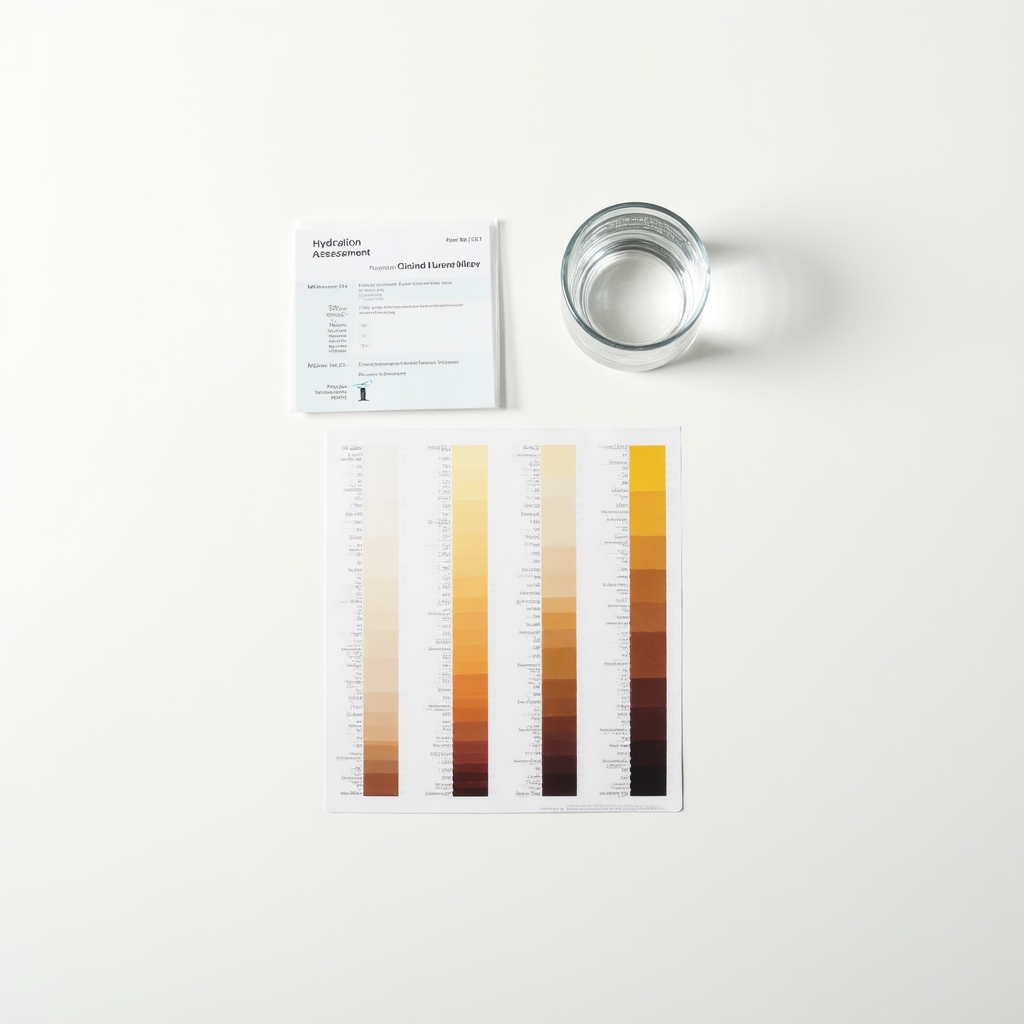
Typically indicates adequate hydration. The gold standard check that requires nothing but a toilet visit and thirty seconds of attention.
Suggests you may be behind on fluids. Context matters - first-of-day urine is naturally more concentrated. Consistent deep color through the day warrants attention.
Thirst is a real signal but it lags behind actual fluid deficit. By the time you feel thirsty, you may already be 1-2% below optimal. Useful as a cue to drink, not as the only cue.
Even modest dehydration has been associated with reduced concentration and increased perception of mental effort in controlled trials. These symptoms have many causes, but hydration is worth ruling in.
Too much water is a real medical condition
Hyponatremia - low blood sodium - can occur when someone drinks more fluid than their kidneys can process, diluting sodium in the bloodstream. In severe cases this causes swelling in the brain.
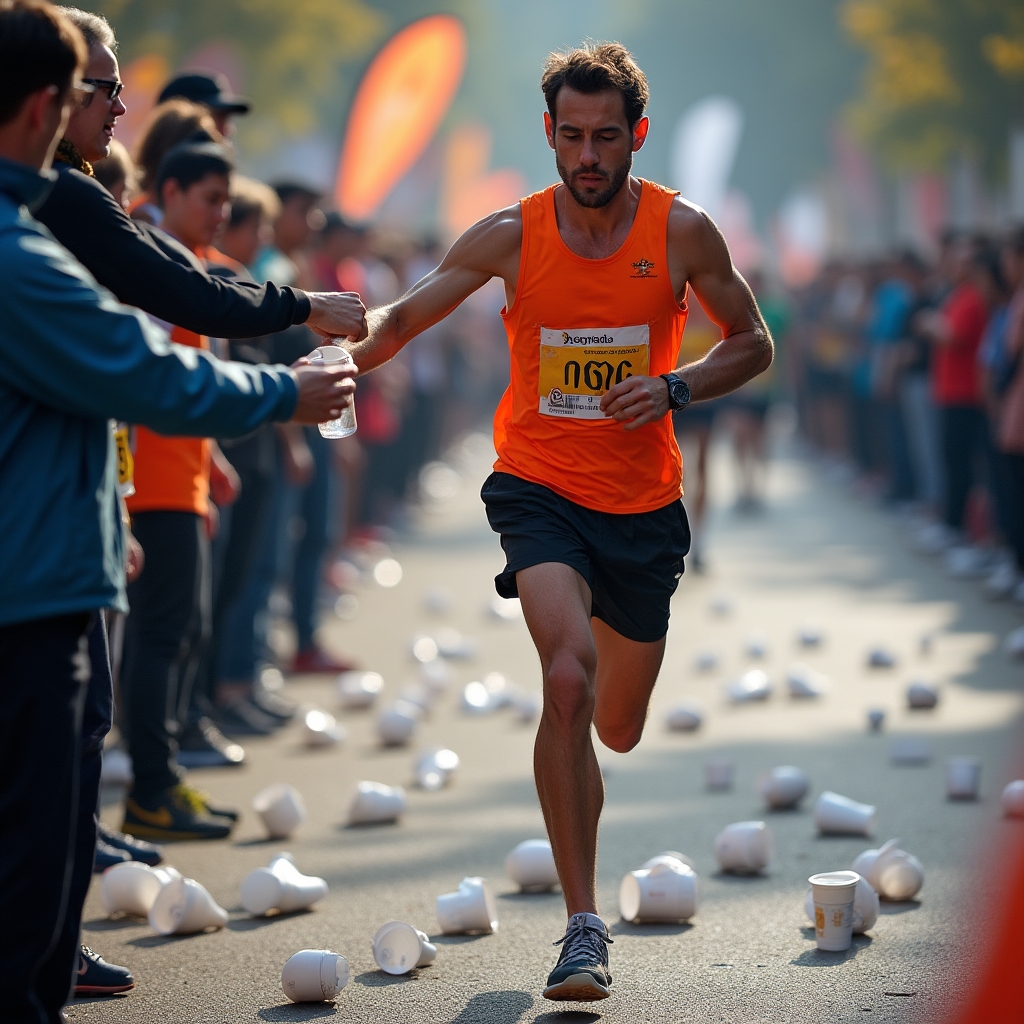
It's well-documented in endurance events. Participants encouraged to drink as much as possible, following now-outdated guidance, have ended up hospitalized. Some cases have been fatal. The American College of Sports Medicine updated its guidelines specifically to address this.
This doesn't mean you should drink less water. It means the instruction to "drink as much as possible" is not medical advice, and that drinking to thirst - rather than drinking to a quota - is a safer approach for most people in most contexts.
The risk of overhydration is highest during prolonged endurance exercise, particularly in people who sweat lightly or who are not acclimatized to their conditions.
Recent explainers

How kidneys regulate fluid balance
The kidney's remarkable capacity to concentrate or dilute urine is your body's first and most sophisticated hydration management system.

Sweat rate varies more than you'd expect
Two people doing the same workout can produce very different volumes of sweat. Individual sweat rate testing exists and the results are often surprising.
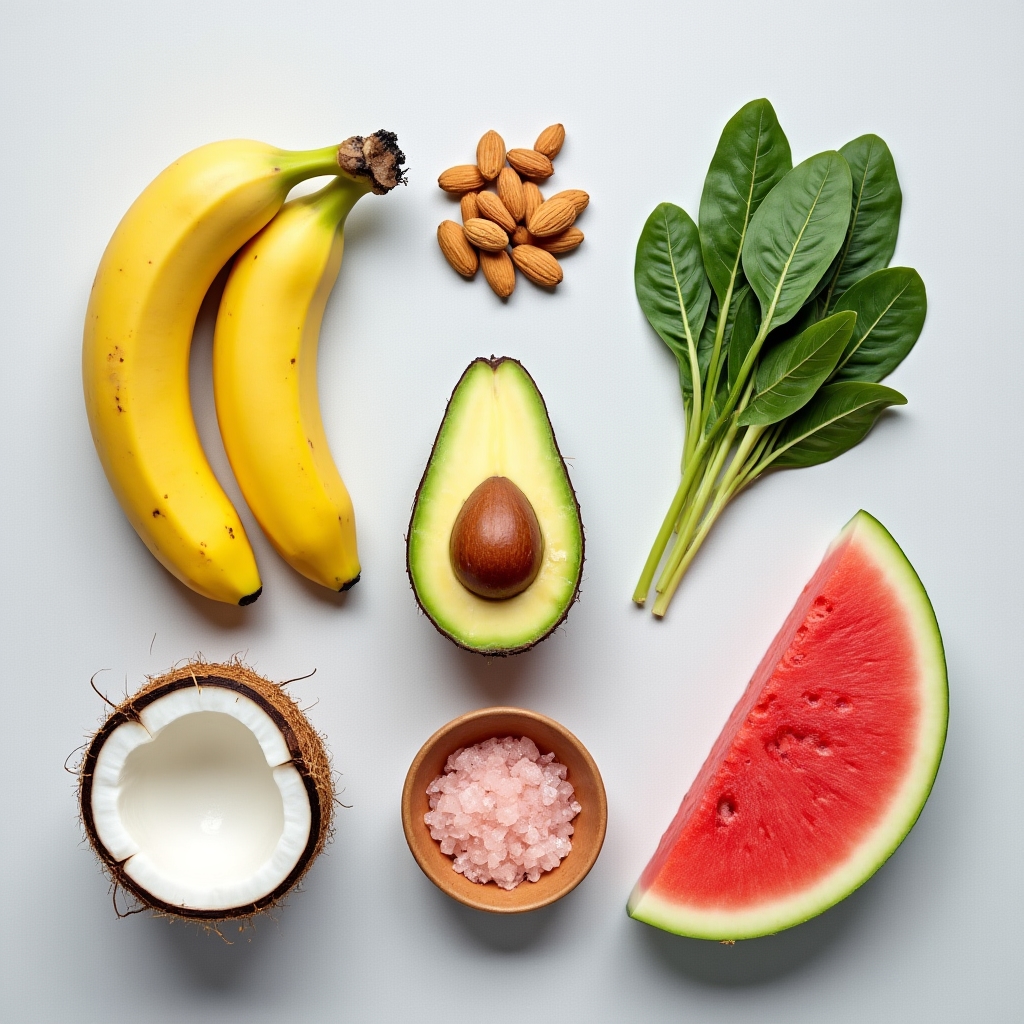
Food contributes more fluid than most people realize
Fruits, vegetables, and even cooked grains contain substantial water. Total fluid intake has never been only about what you drink.
How we use research
Every claim on this site traces back to a named source. We use peer-reviewed journals, systematic reviews where available, and established health authority publications.
We don't sell supplements, hydration products, or testing services. There's no monetization pressure shaping which studies we highlight. When evidence is mixed or limited, we say so.
Read Our Research Standards
Have a question about the science?
We're based in St. Louis and happy to hear from educators, health professionals, or curious readers with questions about our sources or coverage.