Most exercise hydration research was done on athletes who aren't you
A significant portion of exercise hydration research uses highly trained athletes, military recruits, or participants in controlled heat chambers. The findings are informative. But a 45-minute gym session three times a week sits in a very different physiological territory than a four-hour military march.
This matters because the guidance derived from elite and military research gets filtered into consumer health content without that context. The result is recreational exercisers worrying about electrolyte depletion after a 30-minute jog in mild weather, or drinking to fixed schedules rather than responding to their own body's signals.
The research on recreational athletes - which does exist, though it's less dramatic - tells a more reassuring story. For most common recreational activities in typical conditions, normal eating and drinking to thirst covers requirements adequately.

The three phases of exercise hydration
Pre-exercise hydration
Arriving at a workout already dehydrated measurably reduces exercise performance and increases perceived effort. The practical approach supported by research is to maintain consistent daily hydration rather than attempting rapid pre-exercise loading.
Drinking a large volume of water immediately before exercise doesn't effectively correct an existing deficit and may contribute to discomfort. Normal hydrated urine color before activity is a reasonable readiness indicator.
Fluid intake during exercise
For sessions under an hour in moderate conditions, drinking to thirst is the approach most consistent with current sports medicine guidance. The ACSM's updated position statement moved away from prescriptive volumes toward individualized, thirst-guided intake.
For sessions extending beyond 60-90 minutes, particularly in heat, the picture shifts. Sweat volume becomes more significant and electrolyte replacement becomes a more relevant consideration.
Recovery rehydration
Post-exercise, normal eating and drinking restores fluid balance for most recreational activities. A rough guideline from exercise science research suggests drinking approximately 1.5 times the volume of fluid lost during exercise, measured by body weight change.
Weighing yourself before and after exercise is a direct way to estimate sweat loss if you're curious about your individual rate. One kilogram of weight change corresponds roughly to one liter of fluid.
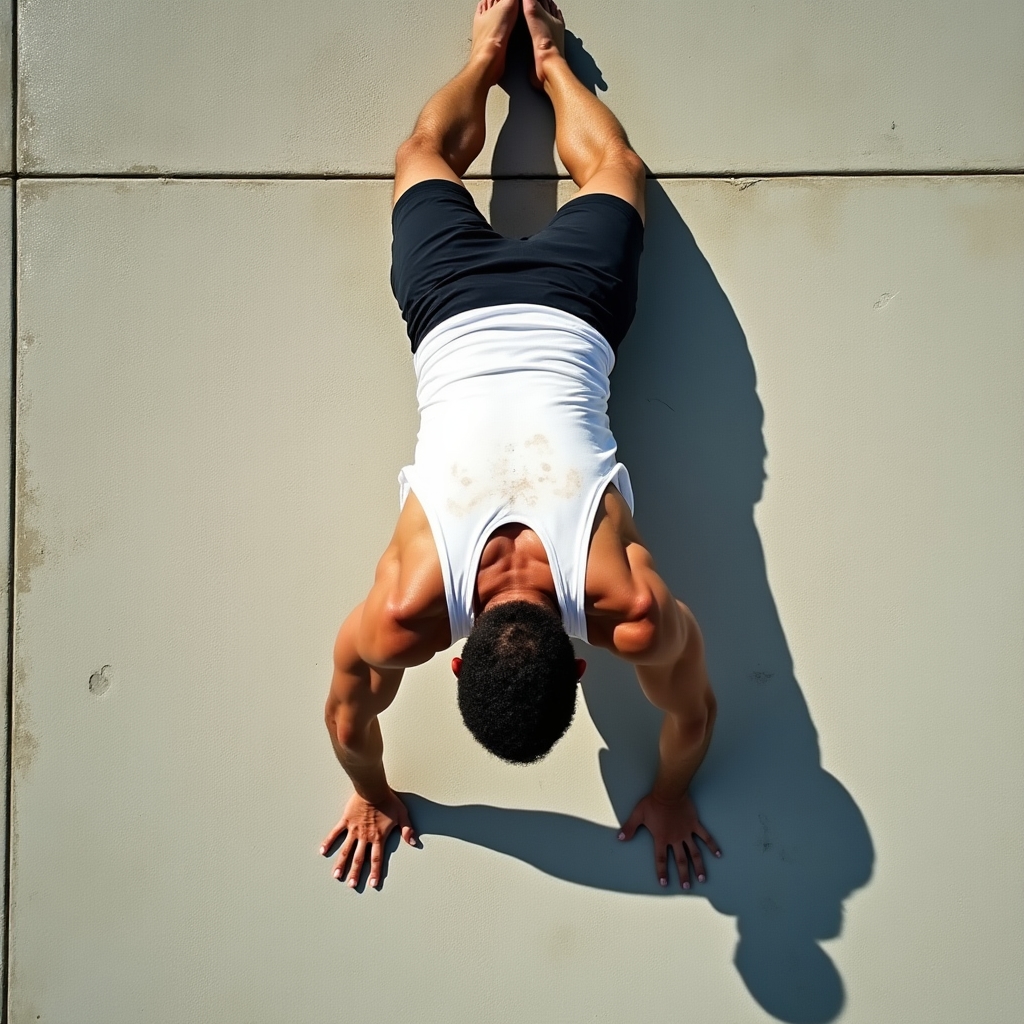
Heat and humidity shift the equation
Exercise in heat is categorically different from the same exercise in cool conditions. Sweat rates increase substantially. The cardiovascular system works harder. Core temperature management competes with muscle perfusion for limited blood flow.
Humidity compounds this. Sweat that evaporates cools you. Sweat that doesn't evaporate because the air is already saturated doesn't. High humidity at moderate temperatures can be more physiologically demanding than high temperature at low humidity.
For recreational athletes training in summer conditions, particularly those not acclimatized to heat, the research supports more deliberate attention to hydration than cool-weather exercise requires. Planned fluid intake rather than pure thirst guidance may be appropriate when heat stress is significant.
Heat acclimatization - the body's adaptation to training in warm conditions - takes roughly one to two weeks of regular heat exposure to develop. Performance and fluid regulation improve meaningfully during this period.
Exercise-specific dehydration signals
Some hydration signals become more prominent during and after exercise. These are worth recognizing without overmedicating every training session.
Reduced sweat rate late in exercise
If you notice sweating diminishing toward the end of a long or hot session, this can indicate meaningful fluid deficit. Combined with elevated heart rate at familiar intensity, it's a signal to reduce effort and rehydrate.
Body weight loss above 2%
Research consistently associates fluid losses above roughly 2% of body weight with measurable performance decrements and increased perceived exertion. Weighing before and after sessions gives a concrete picture of your individual loss rate.
Cognitive and coordination changes
Difficulty concentrating on technique, slower reaction time, and unusual errors during skills-based activities can reflect dehydration effects on the nervous system. These are worth noting, particularly in skill-dependent sports.
Elevated resting heart rate the next day
If your resting heart rate is meaningfully higher than usual the morning after a hard session, incomplete rehydration is one possible explanation alongside inadequate sleep and accumulated training load.
When do you actually need more than water?
This question gets a commercially distorted answer most of the time. Sports drink marketing suggests electrolyte replacement is necessary for virtually any physical activity. The research gives a more specific answer.
Probably doesn't require electrolyte replacement
A 30-45 minute moderate intensity run or gym session in cool to mild conditions, followed by a normal mixed meal. Normal sweat losses are replaced adequately through food and plain fluid intake.
Context-dependent
A 60-90 minute session in summer heat, particularly if you're a heavy or salty sweater (visible salt residue on skin or clothing). A longer ride or run where you won't eat for several hours afterward.
More clearly warrants electrolyte consideration
Exercise sessions extending beyond 90 minutes to 2 hours, particularly in heat. Events like half-marathons, sprint triathlons, or extended hiking where both duration and environmental conditions are significant.
The salty sweater phenomenon
Some individuals have sweat that's significantly higher in sodium concentration than average. If you consistently notice white residue on your skin or dark clothing after exercise, you may be in this category. It's a genuine physiological variable, not a reason to panic, but it does mean sodium replacement may be more relevant for you during longer sessions.
Food as electrolyte source
A post-exercise meal that includes salted foods, potassium-rich vegetables or fruit, and some protein covers electrolyte replacement requirements for the vast majority of recreational exercise scenarios. The food solution is often overlooked in favor of commercial products.